Why Does Pressure Dip When Appliances Run?
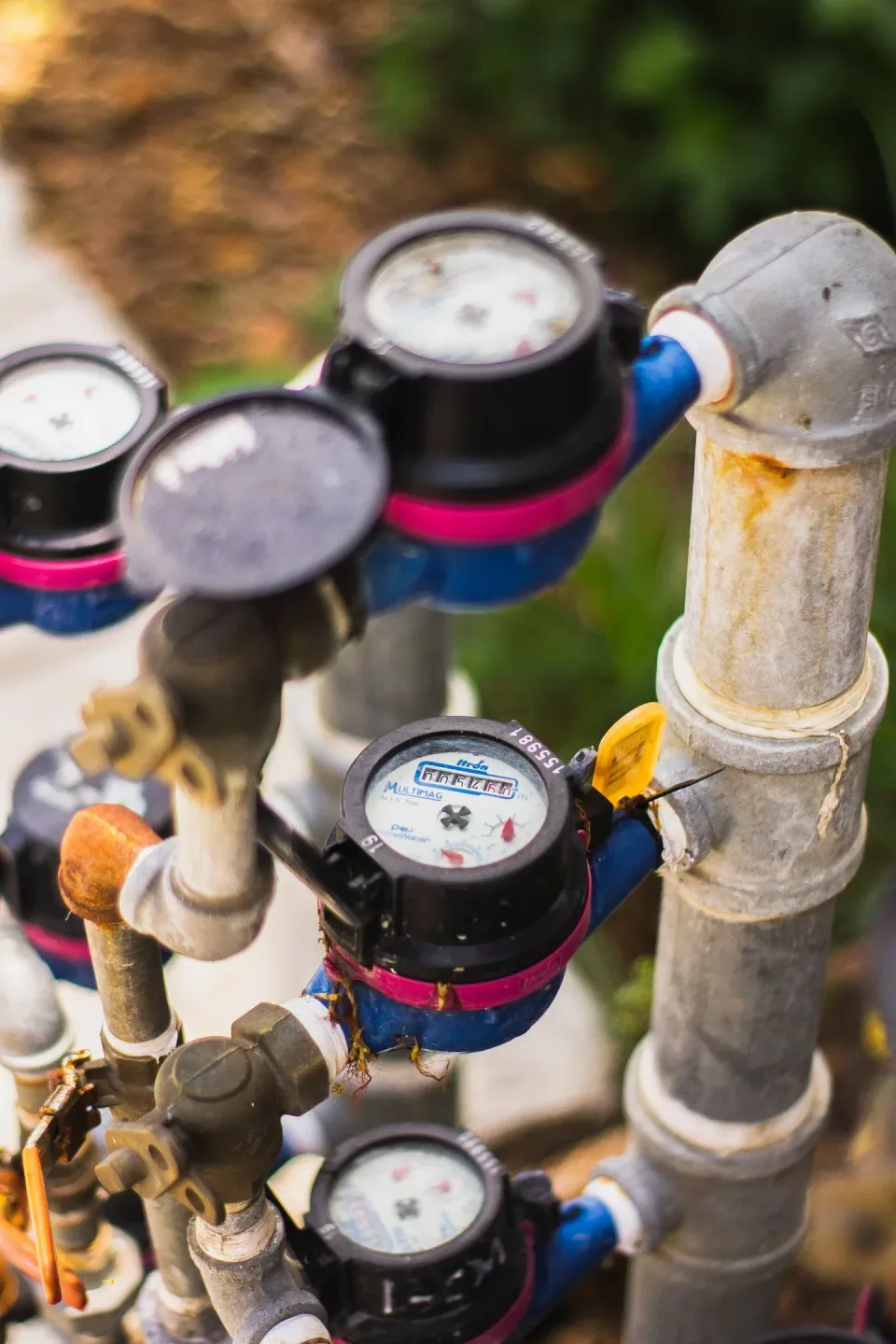
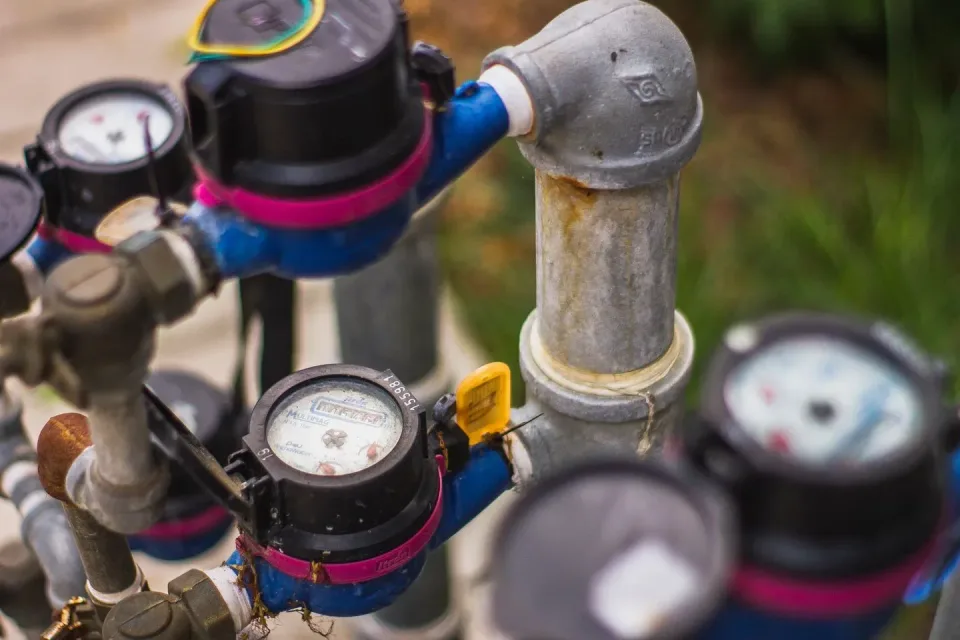
When the washing machine fills and a shower turns weak, the shared water supply may not keep up with demand. A booster system’s pump head is the lift it can provide against elevation and friction; if it is mismatched to an upstairs bathroom, flow can fade when another fixture opens.
Municipal water supply pressure can also vary at the property, so a pump should not be blamed before incoming conditions are checked. No guesswork first.
In Waikiki, Honolulu, coastal humidity can encourage corrosion around exposed plumbing equipment. We test the system under demand and explain the findings before recommending a repair.
Why do appliances expose low water pressure?
If pressure drops when an appliance starts, the system may be unable to deliver enough water at that moment. Water pressure describes the force moving water through the pipes; the change under simultaneous demand points toward limited supply, a restriction, or equipment that cannot keep pace. Blaise Pascal’s fluid pressure principle helps explain why pressure is transmitted through water, but it does not mean every fixture will receive the same flow when several outlets draw water at once.
Look for a pattern: does the pressure fall only while a washer fills, or does it stay weak afterward? A brief dip during a high-demand cycle differs from a persistent problem.
At a home near Diamond Head State Monument, trade winds bring breezes and windward showers, but weather is not a substitute for checking the plumbing. We trace the symptom from the supply inward rather than replacing a pump based on sound alone.
Could a clogged line or regulator be restricting flow?
A partially obstructed branch or a regulator that is not operating correctly can limit delivery when appliances draw water. Clogged water line repair may be appropriate when testing points to a restricted section; a regulator should be assessed before service, not adjusted blindly. Isolate the water supply before regulator service. That step prevents water from flowing unexpectedly while the component is opened.
The Honolulu Board of Water Supply can help homeowners distinguish a broader supply concern from a problem within the home, but fixture-by-fixture checks still matter. If only one faucet weakens, the issue may be local; if several fixtures respond together, the cause may be farther upstream. We compare readings and symptoms before describing the repair.
When should you DIY or call a plumber?
You can note which appliance triggers the dip, check whether nearby fixtures are affected, and look for visible leaks without opening pressurized equipment. Stop there if you find water damage, hear repeated pump cycling, or see pressure fall across multiple rooms. Low pressure plumbing repair may involve electrical or pressurized components, so opening a pump or regulator without the proper checks can create a larger problem.
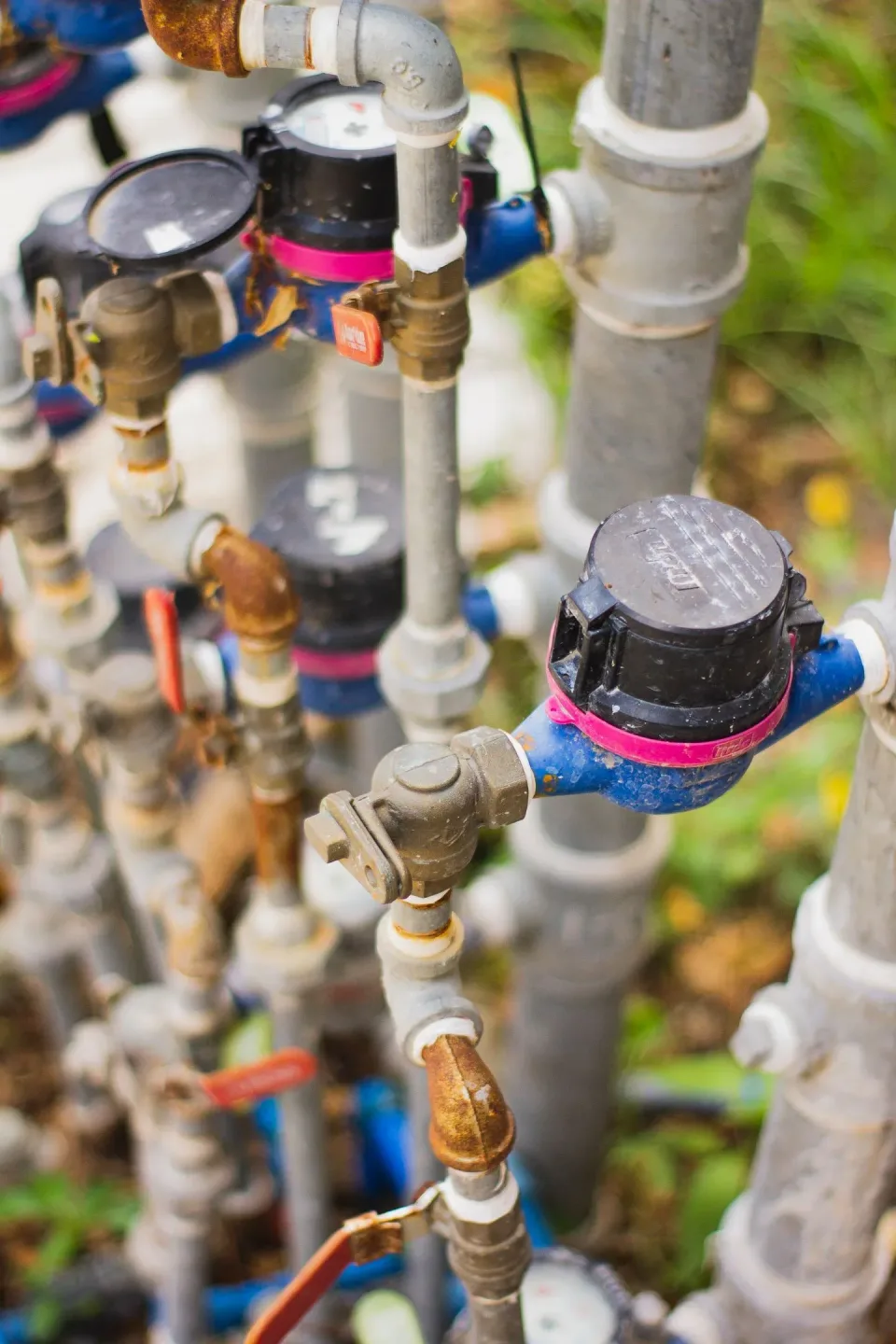
If a system uses a pump, keep the pump suction line primed when required; running it without the needed water can damage equipment. That is not a blanket instruction to open or prime every pump system design matters. Salt air accelerates corrosion on exposed equipment, including in areas near Honolulu Harbor, so visible rust deserves attention during diagnosis.
What does a proper pressure repair check?
We test the household under more than one condition: fixtures closed, then water flowing, with an appliance demand reproduced when practical. Water pressure troubleshooting should establish whether the restriction is at the supply, pump, regulator, or a branch before parts are proposed. If the line itself is obstructed or damaged, we explain the evidence for that conclusion and discuss the repair scope.
Our crew has served Hawaii for 11+ years, and we verify system performance after work rather than treating a replaced part as proof of a fix. Hawaii’s wet season typically runs November through March, when heavy rain can increase runoff and drainage concerns; that makes it sensible to distinguish a plumbing pressure issue from unrelated water around the property. If you want another symptom comparison, read why faucets trickle during Honolulu’s morning water use.
Which Repair Fits Appliance-Related Pressure Drops?
The right choice depends on what testing reveals: a pump, supply line, or pressure control can produce similar symptoms. A reading under demand helps narrow it down.
| Option | Best for | Key detail |
|---|---|---|
| Booster pump repair | Existing pump that cannot maintain delivery | Check the water pressure gauge while an appliance runs; readings under demand show whether output falls. |
| Booster pump installation | Supply that needs added support | Pump sizing against fixture demand helps avoid choosing equipment that cannot serve simultaneous use. |
| Well pump repair | Private well system with pressure loss | Check the pump and controls before replacing equipment; seasonal supply conditions may affect the diagnosis. |
| Main line pipe repair | A confirmed localized leak or defect | Leak isolation before pipe replacement helps avoid replacing sound pipe unnecessarily. |
| Pressure tank replacement | A tank confirmed to be failing | A written repair scope and findings clarify what testing supports the replacement. |
Pipe repair addresses localized damage; replacement renews longer runs when the condition warrants it. In Kailua, Oahu, salt air near the coast can speed exposed-equipment corrosion, so include visible condition in the assessment.
Prepare the Home for a Pressure Check
A clear symptom report helps us reproduce the pressure drop instead of testing under the wrong conditions. Make a note of which appliance triggers it and which faucets change; American Water Works Association guidance is not a substitute for diagnosing your home’s own building water distribution system.
We also need safe access to the equipment. Trade winds bring frequent breezes and windward showers, so for an outdoor pump or access point, keep the approach clear if rain is falling.
| Step | What to prepare |
|---|---|
| 1 | Confirm where the property water shutoff is located. |
| 2 | Clear access to the pump and pressure tank, if present. |
| 3 | Coordinate a building water shutdown with occupants or building management when needed. |
| 4 | Note which faucet pressure changes when the appliance starts. |
| 5 | Keep the work area accessible so testing and water restoration can be confirmed. |
Small details help.
Who Can Diagnose Appliance-Related Pressure Drops?
A pressure dip during an appliance cycle deserves a measured diagnosis, especially when it spreads to several fixtures or continues after the cycle ends. A pressure tank bladder problem can affect how a private pump system delivers water, so report repeated pump starts or uneven flow rather than adjusting controls yourself.
Seasonal drought can affect private water supplies, making the source important to check on a well water system. A water softener or other treatment equipment can also be part of the flow path and should be considered during testing.
If the issue persists, Hawaii Plumbing Pros can inspect the system and explain the next step. Start with Low Water Pressure Repair or call (877) 773-0781 to discuss the symptoms.